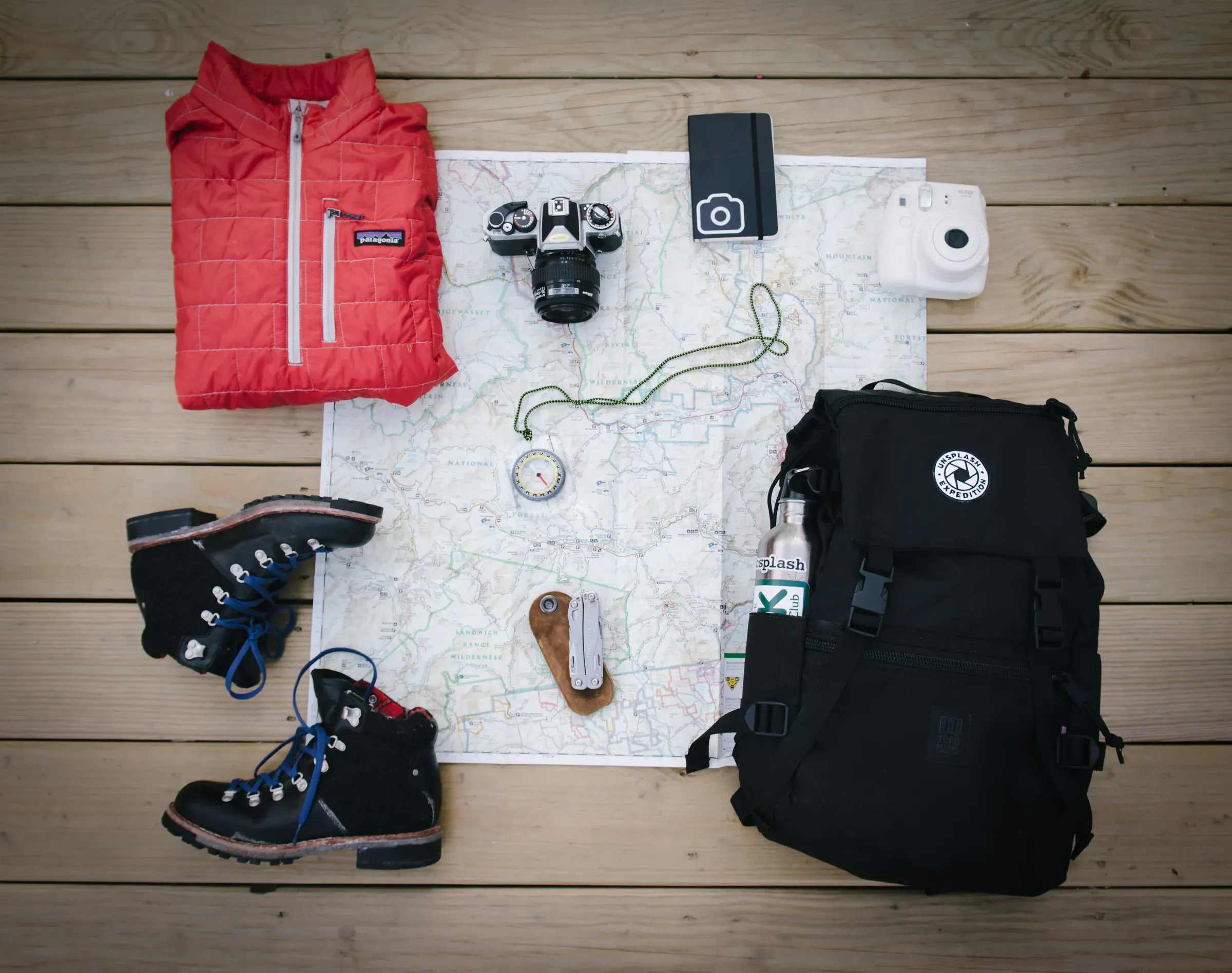
Pack layers you can add or remove between warm valleys and cold passes. Bring comfortable walking shoes and clothes that cover shoulders and knees for temple visits. The list below is a starting point; adjust it for your route and season.
Start with your overnight stops
Write down where you will sleep and which days include walks or mountain passes. A country-wide forecast cannot tell you what every stop will feel like. Keep a warm layer and rain shell in your day bag so you can reach them during the drive.
Paro, Thimphu and Punakha
For a western-valley trip, use layers you can remove during a warmer afternoon and put back on for a cool morning or a stop at Dochula. Keep clothes suitable for temple visits ready even on days that also include a walk or time in town.
Adding Phobjikha
Pack warm evening clothes for an overnight in Phobjikha Valley, including outside winter. If you plan a valley walk, bring the walking shoes and rain layer you would use for other outdoor days. Ask your hotel about heating and laundry before deciding how much to carry.
Tiger's Nest or a longer trek
Keep your broken-in walking shoes, water bottle and rain layer accessible for Tiger's Nest. Confirm the walk with your guide against the day's conditions. For a multi-day trek, ask for the equipment list for that specific trek and check what is supplied; this general holiday list does not cover overnight trekking equipment.
Clothing: think layers, not bulk
The temperature difference between a Punakha afternoon and a Dochula Pass morning can be fifteen degrees, so the trick is combinable layers rather than one heavy coat:
- Base layers: 3-4 breathable t-shirts, 2-3 long-sleeve shirts, thermals if you're coming in winter
- Mid layer: a fleece or a light packable down jacket
- Outer layer: a waterproof shell or packable rain poncho, whatever the season
- Bottoms: 2-3 pairs of comfortable trousers, plus something warm for evenings
Keep shorts for the hotel. At religious sites, and you'll visit one most days, knees and shoulders need covering, hats come off, and shoes come off before temple interiors. Wearing long trousers by default just makes every day simpler.
Footwear
Your hiking shoes are the single most important item in the bag. Dzong visits involve endless stone steps and the Tiger's Nest hike is a real climb on uneven ground, so break them in before you travel. Add comfortable shoes for towns and sandals for the hotel and you're covered.
Electronics
- Camera with spare batteries, cold drains them faster than you'd expect
- Universal adapter that covers plug types C, D and G
- Power bank
- Headlamp or torch
- Phone with offline maps downloaded
Leave drones at home unless you have the required advance approval. The official travel FAQ explains the restrictions.
Health and toiletries
- Prescription medications, with documentation
- Altitude medication if your doctor recommends it
- Sunscreen SPF 30+ and lip balm with SPF, high-altitude sun is stronger than it feels
- Hand sanitiser and a basic first aid kit
- Insect repellent for the lower valleys
Adjusting for season
- Spring (Mar-May): light layers, rain jacket, sun protection
- Summer (Jun-Aug): proper rain gear and quick-dry everything
- Autumn (Sep-Nov): daytime layers plus warm evening clothes for higher overnight stops such as Phobjikha; keep a rain shell handy
- Winter (Dec-Feb): real warmth, thermals, warm hat and gloves
Leave out
- Drones (banned without permits)
- Clothing that won't suit temple visits, where shoulders and knees should be covered
- Items restricted by customs; check the current rules before packing
- More luggage than your ticket allows, especially if taking a domestic flight
The day pack
For daily excursions: a water bottle, snacks, camera, sunscreen, a light rain layer, and some ngultrum in cash for small purchases.
Ask whether your hotels offer laundry before packing a fresh outfit for every day. Leave some room if you plan to bring textiles or other purchases home.
Before departure: check against your confirmed itinerary
- Arrival: save your meeting point, transfer arrangements and the contact to use if your flight or arrival time changes. Keep an offline copy.
- Personal spending: read your quote's exclusions and allow for purchases and activities you plan to pay for yourself. Ask about cash and payment options along your route before relying on a particular card or app. Our quote-comparison checklist can help identify missing details.
- Documents and cover: check the requirements for your passport and travel dates, and confirm with your insurer that your planned activities and trip legs are covered. Keep copies of the documents you need available offline.
- Conditions: shortly before travel, ask your guide or operator whether any road or trail conditions affect your agreed route. Ask when the information was checked and what would change in the plan. Seasonal packing advice is not a live road or trail report.
If your trip is booked, use your existing booking conversation to share your dates, overnight stops and planned walks, then ask about anything still unclear. You can also contact us about preparation. If you are still choosing where to go, tell us your preferred route and pace.